Underground excavations in Bath represent a highly specialised branch of geotechnical engineering that encompasses the design, analysis, construction support and monitoring of any void created below ground surface. This category covers a spectrum of activities from shallow utility trenches and basement excavations to deep tunnels, shafts and underground storage facilities. In a city like Bath, where the UNESCO World Heritage status imposes strict constraints on surface development, the ability to excavate safely and efficiently below ground is not just a technical challenge but a strategic necessity for urban regeneration. The discipline integrates soil and rock mechanics, structural engineering, hydrogeology and instrumentation to manage ground movements, groundwater pressures and the stability of temporary and permanent support systems. Whether for transport infrastructure, drainage upgrades or the creation of new basement levels within historic structures, underground excavation projects demand a rigorous, risk-based approach from feasibility through to construction and long-term operation.
The local geology of Bath is dominated by the Middle Jurassic Great Oolite Group, comprising oolitic limestones, calcareous mudstones and clays, often overlying the fuller's earth and inferior oolite formations. These strata are frequently interbedded with weak clay bands and are susceptible to dissolution features, particularly where the Bath Stone has been historically mined or where natural cavities exist. The presence of the steeply sided Avon Valley introduces additional complexity, with valley bulge and cambering affecting the near-surface rock mass. Groundwater levels can be high and seasonally variable, with perched water tables common in the limestone units. Understanding the engineering properties of these materials, including their stiffness, jointing patterns and permeability, is fundamental to any underground excavation project. In many parts of the city, made ground of variable composition overlies the natural strata, adding further uncertainty that must be addressed through comprehensive geotechnical excavation monitoring during construction.
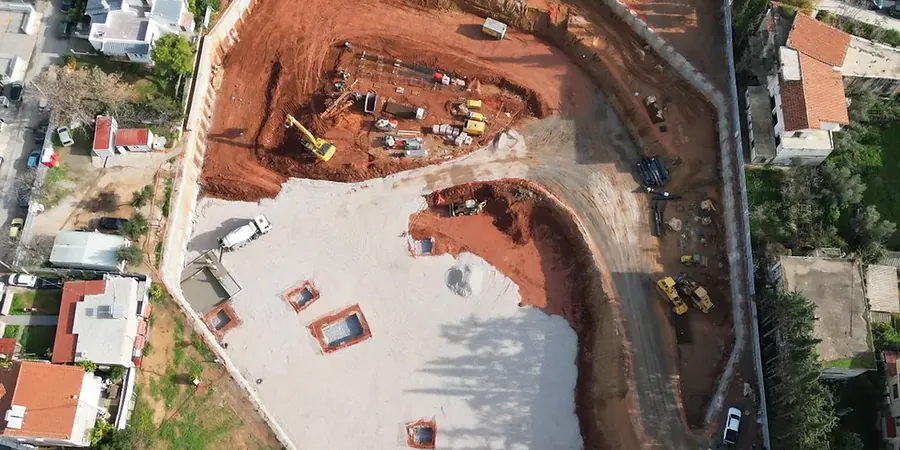
All underground excavation works in the UK must comply with the requirements of the Construction (Design and Management) Regulations 2015 (CDM 2015), which place duties on clients, designers and contractors to manage health and safety risks throughout the project lifecycle. The execution of temporary works, including any form of excavation support, is governed by BS 5975:2019, which mandates a formal design and checking procedure. For permanent underground structures, Eurocode 7 (BS EN 1997-1 and -2) provides the overarching framework for geotechnical design, supplemented by the UK National Annexes which reflect local experience with the Great Oolite and associated formations. Where excavations approach or undercut existing buildings, the party wall provisions of the Party Wall etc. Act 1996 may apply, requiring formal notifications and agreements with adjoining owners. Additionally, Bath and North East Somerset Council's planning policies often require detailed geotechnical risk assessments and construction method statements as part of the planning application for basement developments, reflecting the sensitivity of the historic environment.
The types of project that demand specialist underground excavation expertise in Bath are diverse. Infrastructure schemes such as the Bath Quays Waterside regeneration and the proposed mass transit system may require cut-and-cover tunnels or deep shafts in challenging ground conditions, benefiting from advanced geotechnical analysis for soft soil tunnels where the route intersects alluvial deposits or weathered mudstone. The deep basements increasingly specified for high-end residential and commercial developments in the city centre, often extending three or more storeys below ground, rely on robust geotechnical design of deep excavations to select appropriate retaining wall systems such as secant piles or diaphragm walls and to predict ground movements that could affect adjacent listed buildings. Utility companies upgrading Victorian drainage networks or installing district heating pipes face the challenge of trenchless crossings beneath sensitive structures and archaeological remains, requiring precise ground characterisation and continuous geotechnical excavation monitoring to validate design assumptions and trigger contingency measures if movements exceed predefined thresholds. Each of these applications shares the common need for a thorough understanding of the ground, a carefully developed temporary works scheme and a commitment to observational method principles.
Quick answers
What are the main geotechnical risks associated with underground excavations in Bath?
The principal risks include instability in the interbedded limestones and weak clays of the Great Oolite Group, encountering unrecorded mine workings or dissolution cavities, groundwater ingress from perched or regional aquifers, and settlement-induced damage to adjacent listed buildings. Valley bulge features along the Avon slopes can also create unexpected stress conditions and adversely oriented discontinuities requiring careful assessment.
Which UK regulations govern the design of temporary support for deep excavations?
Temporary works for excavations are primarily governed by BS 5975:2019, which establishes a structured procedure for design, checking and implementation. The overall project safety management falls under CDM 2015, while the geotechnical design of both temporary and permanent works must follow Eurocode 7 (BS EN 1997) with the UK National Annexes, ensuring designs reflect British ground conditions and established practice.
How does Bath's UNESCO World Heritage status affect underground excavation projects?
The heritage designation imposes strict planning controls that typically require detailed geotechnical and structural impact assessments before any excavation consent is granted. Developers must demonstrate that proposed works will not harm the historic built environment or archaeological deposits. This often necessitates more conservative excavation methods, enhanced monitoring and early consultation with the local authority's conservation team.
When is an observational method approach recommended for tunnelling in variable ground?
The observational method is recommended when ground conditions are highly variable and cannot be fully characterised in advance, which is common in Bath's mixed limestone and mudstone sequences. It involves setting trigger values for ground movement or groundwater pressure, actively monitoring these parameters during excavation, and having pre-designed contingency plans ready to deploy if limits are approached, ensuring safety without excessive conservatism.